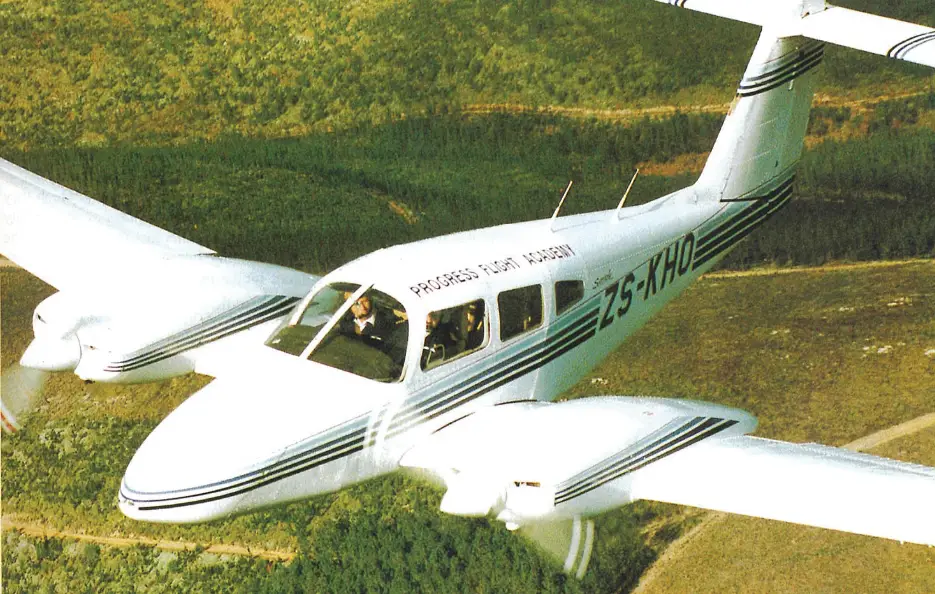
Progress Flight Academy was founded more than 45 years ago by John English, whose lifelong passion for aviation, engineering, and quality training laid the foundations for one of South Africa’s most respected flight academies. What began as a vision in the early 1980s soon became a reality carved quite literally from the land at Greenbushes. Trees were cleared, runways were built by hand, and facilities slowly rose — all driven by a belief that exceptional pilots are shaped by exceptional environments.
John’s approach to aviation has always been rooted in precision, discipline, and pride in workmanship. With a background in both automotive and aviation engineering, and qualifications as a commercial pilot and instructor, he understood every aspect of flight training from the cockpit to the hangar floor. His philosophy was simple but uncompromising: there are no shortcuts in aviation. This belief shaped Progress Flight Academy’s highly structured training syllabus, aligned with international best practice, and set a standard that continues to define the academy today.
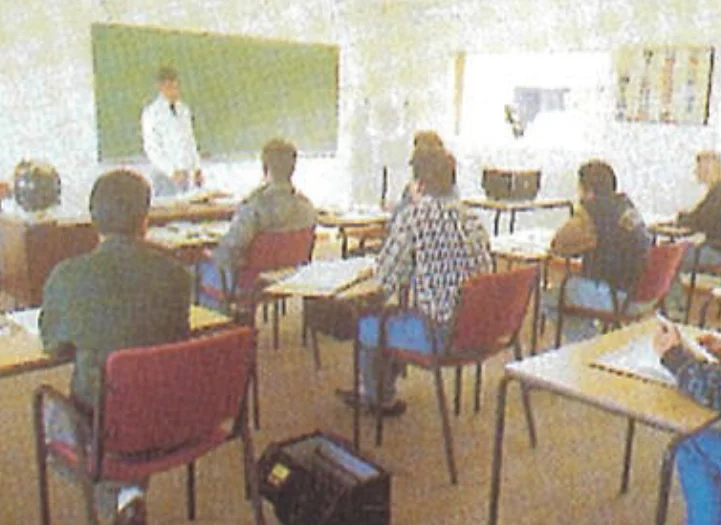
From its earliest days, Progress was ahead of its time — becoming one of the first flight training institutions in South Africa to offer full-time, integrated, on-site training with student accommodation on the premises. As demand grew, so did the academy’s reputation, attracting aspiring pilots not only from across South Africa, but from the African continent and abroad. Many of these students have since gone on to fly for international airlines, some now captains, carrying with them the discipline and standards instilled during their time at Progress.
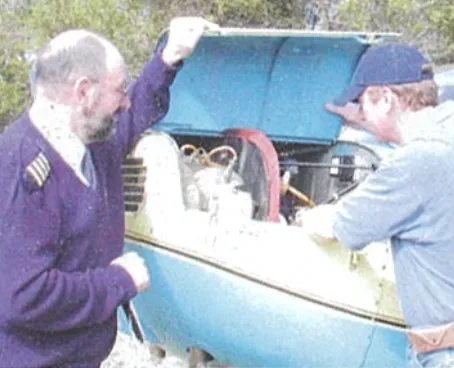
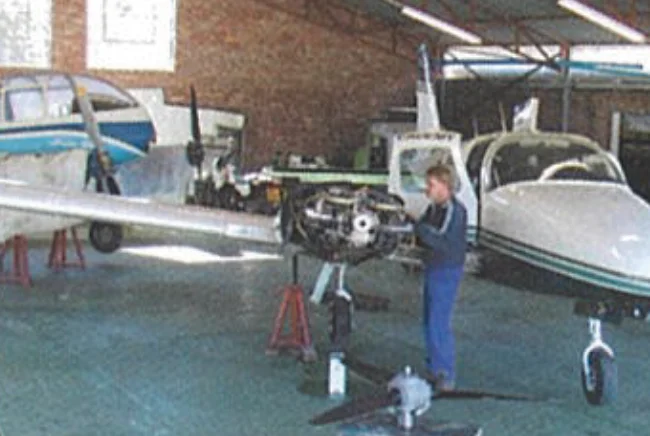
Every aircraft, runway, classroom, and hangar at Progress bears John’s influence. Known for his hands-on involvement, he was never just the managing director, but also a mentor, engineer, and quiet custodian of quality — ensuring that every aircraft was maintained to the highest standard and every student received the training they deserved. The academy was never built for scale alone, but for longevity, integrity, and excellence.
Today, while John has stepped back from the day-to-day running of the academy, his presence remains deeply felt. He continues to live on campus, keeping a watchful eye over the aerodrome and facilities he helped build from the ground up. His legacy lives on in the culture of Progress Flight Academy — in its commitment to quality, its respect for tradition, and its responsibility to shape safe, capable, and confident pilots for the future.